internet things. original · feature
Proteus: Amazon's Robot Revolutionizes Work
Amazon's Proteus robot makes human-robot collaboration seamless.
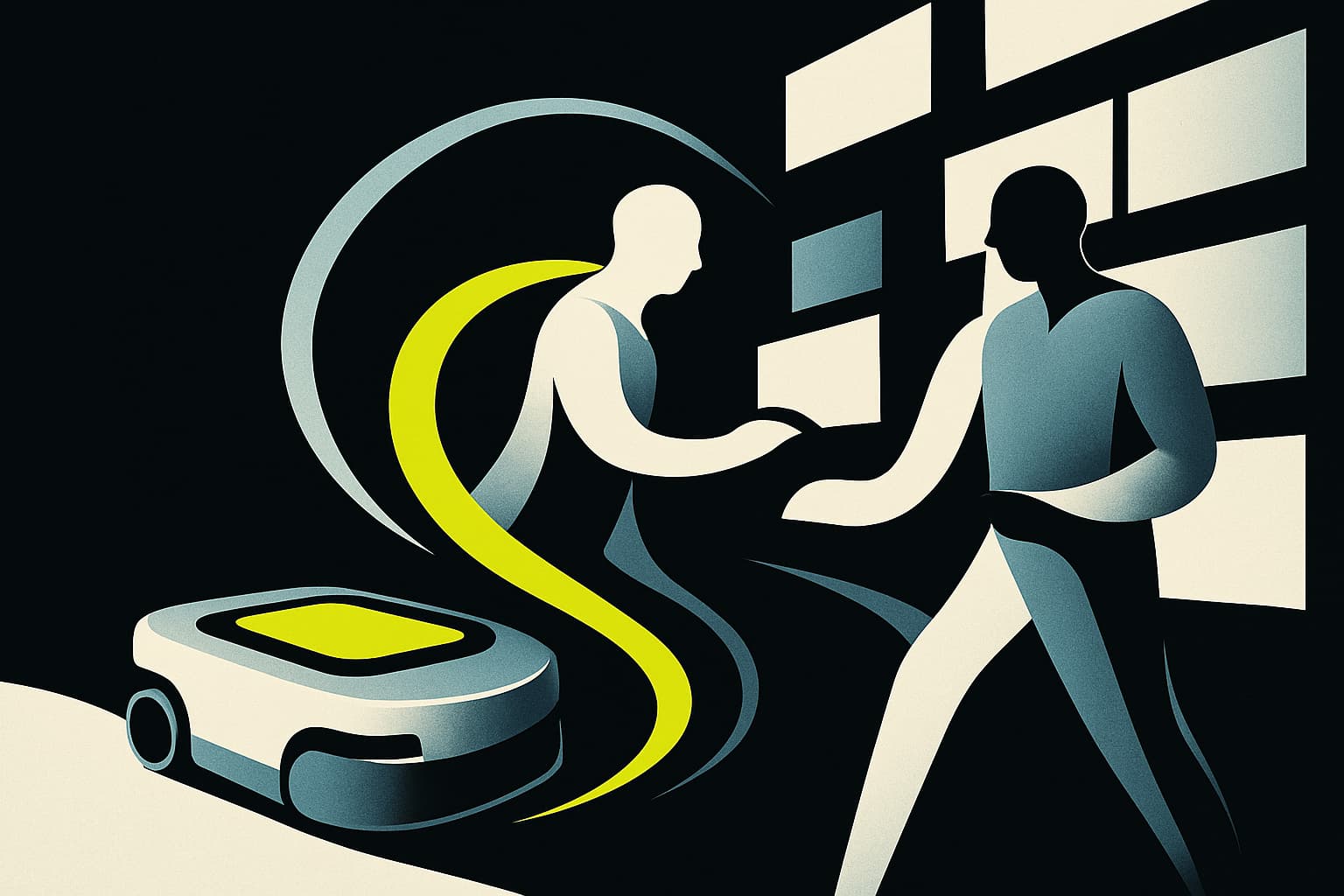
Amazon's latest innovation, the Proteus robot, isn't just about moving boxes—it's about understanding human language. This new generation of warehouse robots marks a significant step forward in how machines and people work together. By using natural language processing, Proteus can take commands in everyday speech, making warehouse operations more intuitive for workers.
The introduction of Proteus highlights a shift in the role of robots in the workplace. Historically, robots have been seen as complex tools requiring technical expertise. But with Proteus, Amazon is democratizing robotics—allowing anyone on the warehouse floor to communicate with the robot as easily as they would with a colleague.
This innovation doesn't just streamline operations; it transforms them. Workers no longer need to learn complex programming languages to direct their robotic partners. Instead, they can focus on higher-level tasks, while Proteus handles the heavy lifting, quite literally. This change is poised to redefine job roles within Amazon's fulfillment centers, potentially leading to an increase in employment as humans and robots collaborate more closely.
Amazon is democratizing robotics.
Amazon's investment in this technology isn't just about efficiency. It's about creating a more human-centered approach to automation. As the Proteus robot rolls out in U.S. fulfillment centers and plans for European expansion by 2027, it's setting a precedent for how robots can be integrated into various industries beyond logistics.
The implications are vast. Imagine healthcare robots that understand patient needs through simple dialogue or retail robots that assist customers with their inquiries. As more industries adopt this technology, the expectation for human-friendly automation will grow. Consumers will come to expect seamless interactions with machines, not just in warehouses but in everyday life.
Proteus handles the heavy lifting, quite literally.
Amazon's executive team believes that this wave of automation will not eliminate jobs but rather transform them. As CEO Andy Jassy noted, while some roles may shrink, others will emerge, requiring new skills and creating new opportunities. This sentiment is echoed by John Boumphrey, Amazon's Vice President for the U.K. and Ireland, who argues that robots have actually driven up employment in fulfillment centers.
The Proteus robot is a symbol of a broader trend where robots become an integral part of our workspaces. As this technology continues to evolve, it will challenge us to rethink our relationship with machines and the potential they hold to enhance our lives.
Reporting informed by cnbc.com. Our analysis and words are our own.