internet things. original · analysis
AI Agents: The Next Step in Tech Evolution
Microsoft's Project Solara aims to transform how we interact with our devices.
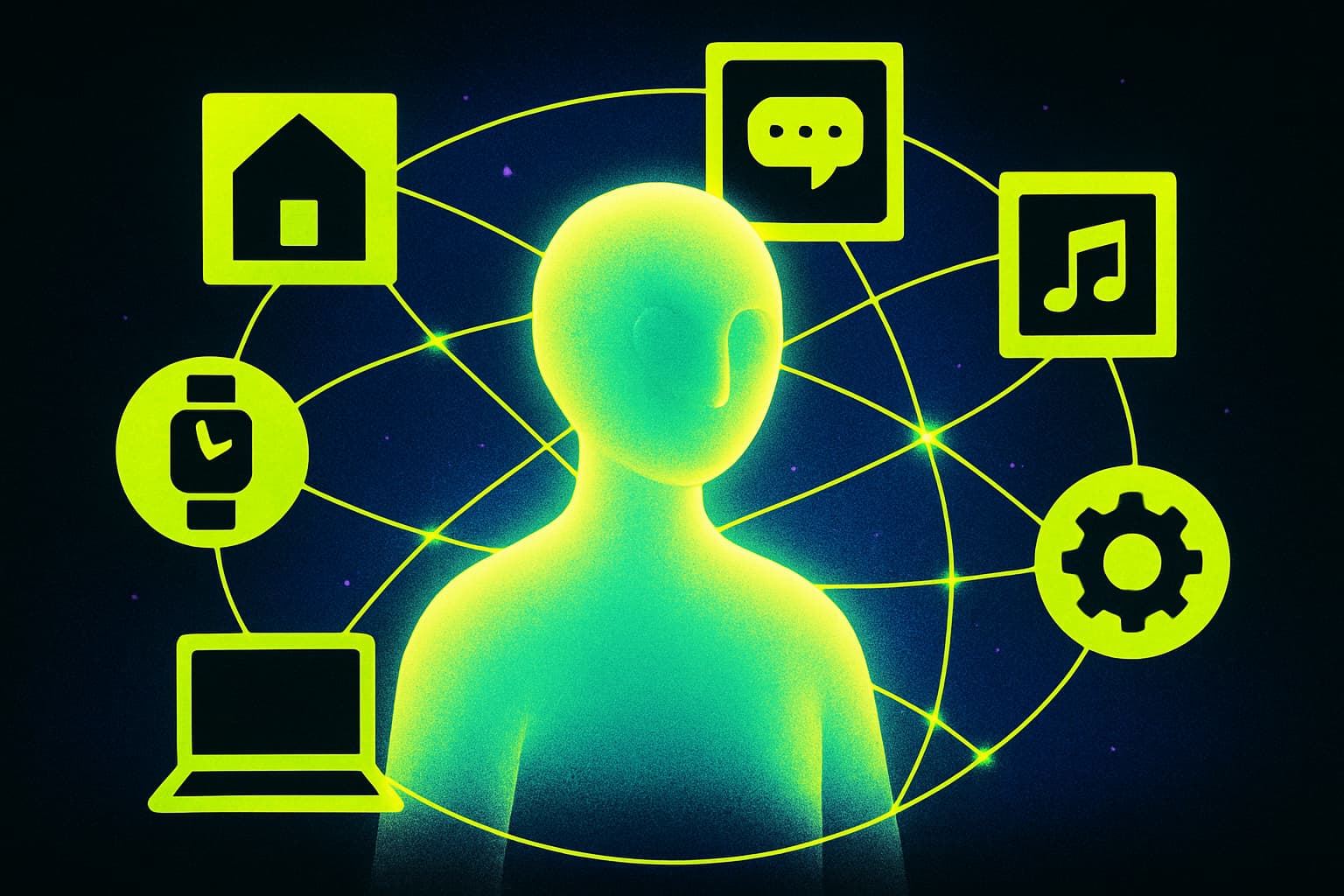
Imagine a world where your devices think for themselves. That's the vision behind Microsoft's Project Solara, a bold move to replace traditional apps with AI agents. This shift could redefine our tech experiences, making them more intuitive and personalized.
Project Solara isn't just about new software. It's about changing how we interact with technology at its core. Instead of opening an app to check the weather, an AI agent could tell you when to carry an umbrella. It's about your devices understanding your needs before you even express them.
The concept of AI agents isn't entirely new, but Microsoft's commitment to this direction signals a significant shift. By focusing on AI rather than individual apps, Microsoft aims to create a more seamless user experience. This could mean fewer clicks and more conversations, where your devices do the heavy lifting of figuring out what you need.
Imagine a world where your devices think for themselves.
Design plays a crucial role in this transformation. Traditional apps are often siloed, requiring users to navigate between them to complete tasks. AI agents promise a more integrated approach. They can pull data from various sources to provide a comprehensive response to user queries, all without the user having to jump from app to app.
This shift isn't just about convenience. It's about creating a more human-centric interface. AI agents could change how we perceive our devices, making them feel more like companions than tools. This is a significant step towards a future where technology feels less like a barrier and more like an extension of ourselves.
This shift isn't just about convenience. It's about creating a more human-centric interface.
However, this vision also raises questions. How will AI agents handle privacy and data security? Will users trust these agents with their personal information? As with any technological advancement, these concerns need addressing to ensure user confidence.
Microsoft's Project Solara is an ambitious attempt to redefine our relationship with technology. By moving away from traditional apps, it sets the stage for a future where devices understand and anticipate our needs. It's a glimpse into a world where technology isn't just smart, but truly intelligent.
Reporting informed by geekwire.com. Our analysis and words are our own.